
NIL Insurance
Who it’s for
- Athletes & parents — Protect future earnings tied to NIL, endorsements, and projected draft value.
- High schools — Add real value for recruits and families with pre-college protection.
- Colleges & universities — Manage competitive and financial risk with group solutions.
- Collectives — Align DD&D terms to actual NIL obligations and reputational exposure.
Core coverages at a glance
How NIL insurance works (the basics)
- Establish your baseline
We document NIL/endorsement income (offers, signed agreements, incentives) and, for prospects, a reasonable consensus of draft projections. - Underwriting review
Carriers review medical history and prior significant injuries. Institutions/collectives share agreement language and rosters where applicable. - Quote & options
We calibrate limits and riders (PTD, loss-of-value, critical injury; DD&D terms for programs). - Issue & renew
Policies are typically annual. Limits may adjust if income, projections, or obligations change.
Tip: Preseason is best. Revisit near combine/pro day or before single-event games (bowls, showcases).
What underwriters look for (typical checklist)
- Executed NIL/endorsement agreements (base + incentives) or signed offers
- Proof of income where applicable (W-9/1099)
- Medical history and treating physician letters for major prior injuries
- For schools/collectives: agreement language defining services, roster/census, exposure profile, compliance contact
Costs: what drives pricing
Premiums reflect the insurable value, sport/position, medical history, definitions/terms, and selected limits/riders. We’ll outline scenarios so you see how structure impacts price—and where dollars buy the most protection.

For athletes & parents
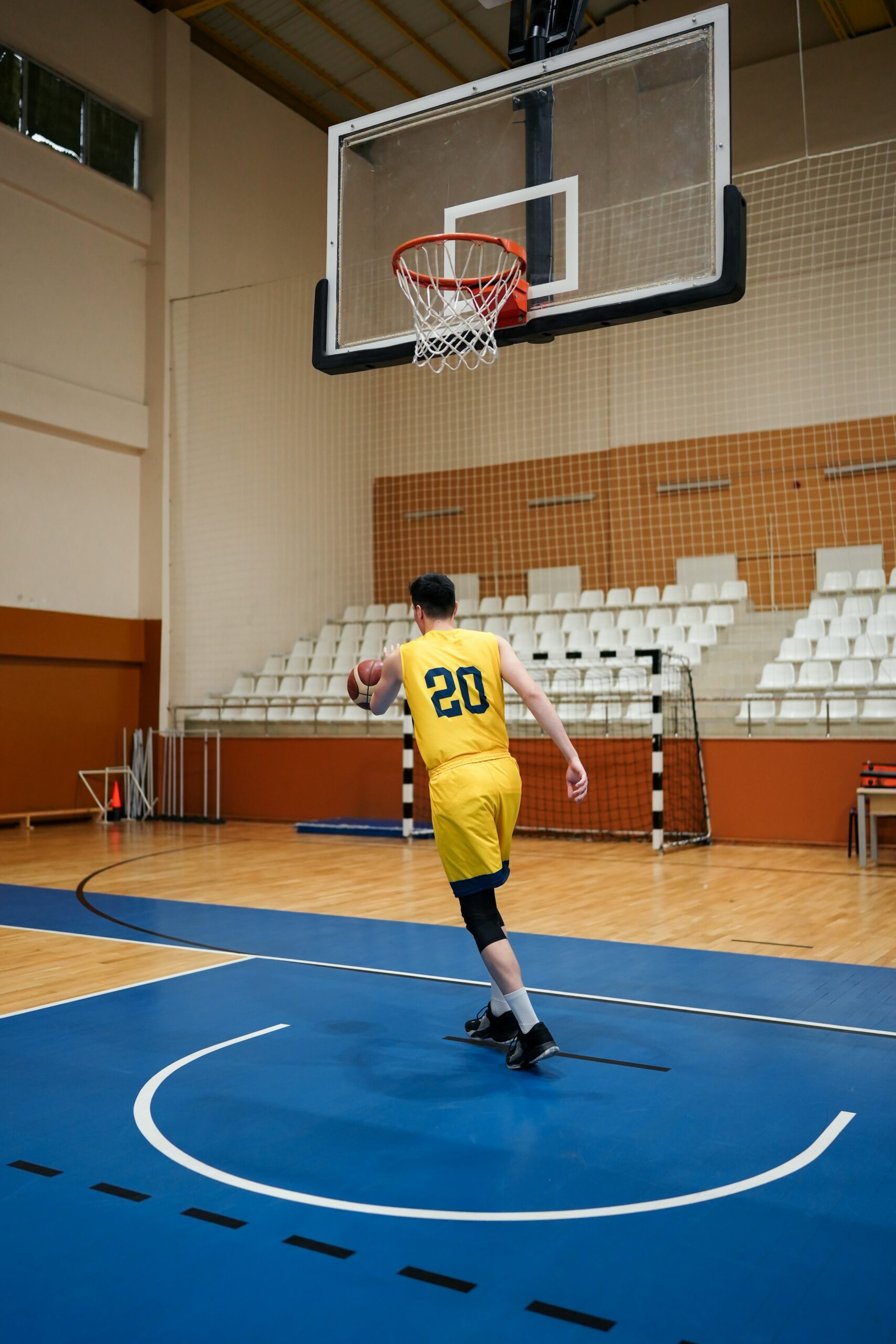
- Protect NIL and outside endorsements with PTD.
- Add loss-of-value if you’re a projected draft pick.
- Use critical injury to manage season-ending shocks.
- Coverage can follow you into college; limits can adjust as income changes.
For high schools
- Offer coverage as a real differentiator for top recruits and families.
- Start the underwriting file early; let coverage follow the athlete to college.

For colleges & universities
- Use group critical injury to help offset the loss of top players to specified injuries.
- Pair with program-level DD&D aligned to your code of conduct.

For collectives
- Align DD&D terms to what the NIL agreement actually requires.
- Note: “own-occupation” disability definitions rarely map to collective-owned obligations; we draft terms that fit the contract.
When to start (timelines that work)
- Preseason (4–8 weeks out): establish baseline, submit medicals, quote limits.
- In-season: update limits if income changes; consider single-event coverage 10–14 days before marquee games.
- Draft window: validate projections, keep medical disclosures consistent, revisit limits if stock rises.
- Offseason: annual review; adjust to new contracts or obligations.
Real-world scenarios (what coverage can change)
- QB knee injury, projection drops: PTD for career-ending outcomes; loss-of-value to address the contract gap after a qualifying injury.
- Star winger, season-ending fracture: critical injury benefit for the season; annual review for next year’s limits.
- Collective reputational risk: DD&D aligned to agreement language and conduct clauses.
FAQs
A “Permanent Total Disability” injury is determined by an orthopedic surgeon, and usually involves surgery within a specified time frame that prevents an athlete from competing again in their respective sport. If an athlete attempts to compete after their PTD, they could forfeit their lump sum payment from the insurance carrier.
Each policy is a year-to-year plan and will be re-evaluated and underwritten each season. In some cases, if an athlete has an exceptional year, their NIL deal may increase, and the amount of coverage may need to be increased. In some circumstances, an athlete may not live up to their expectations and their NIL income may decrease, thus forcing the insurance carrier to reevaluate the amount of projected income to insure.
Preseason is best. For single-event coverage, begin 10–14 days out. Reassess near combine/pro day.
Not always. “Own-occupation” rarely applies to collective-owned obligations; we align DD&D terms to the agreement.
Our promise
Clarity first, then coverage. We build policies around real contracts, real timelines, and real outcomes, so protection works the way your season does.
Licensed in all 50 U.S. states • Any sport, any gender.

By submitting, you agree to our Terms of Service and acknowledge our Privacy Policy.
Licensed in all 50 U.S. states. Coverage subject to underwriting and availability.